
Bold, Vibrant, Built to Last: What You Need to Know About Custom Silk Screening
September 1, 2026
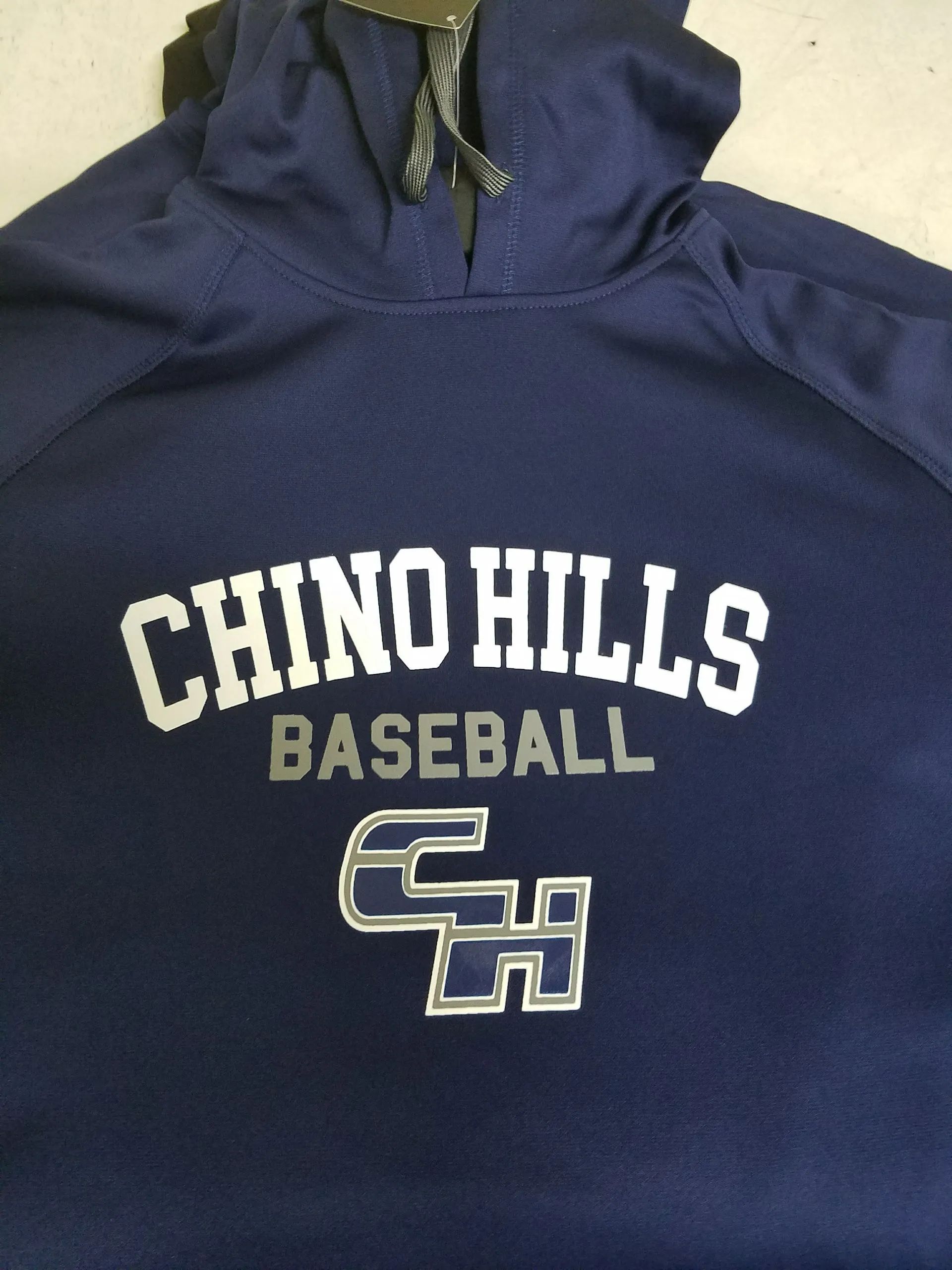
If you've ever worn a t-shirt with a design so vivid it looked almost printed onto your skin, chances are you were wearing a silk-screened garment. Silk screening has been the go-to method for producing bold, colorful, high-impact apparel for decades — and for good reason. It delivers vibrant color, sharp detail, and impressive durability, all while remaining one of the most cost-effective options for producing apparel at scale.
Whether you're branding a company, outfitting an event, or producing merchandise for a team or organization, understanding how silk screening works — and why it remains such a popular choice — can help you make more informed decisions about your next apparel project.
What Silk Screening Actually Is
At its core, silk screening (also known as screen printing) is a stencil-based printing method. Ink is pushed through a fine mesh screen onto fabric, with a stencil blocking the areas where ink shouldn't pass through. Wherever the mesh remains open, ink is deposited directly onto the garment. For designs with multiple colors, this process is repeated using a separate screen for each color, with each layer precisely aligned to build up the full image.
The result is a design that sits within the fibers of the fabric rather than simply sitting on top of it. This is part of why silk-screened prints tend to hold their color and shape so well over time — the ink bonds to the fabric during the curing process, creating a strong, long-lasting connection between design and garment.
The Step-by-Step Silk Screening Process
Understanding the mechanics behind silk screening helps explain why quality and experience matter so much in producing a great final product.
Design preparation and color separation. Before any printing happens, artwork needs to be prepared for the screen printing process. This includes separating the design into individual color layers, since each color will require its own screen. Complex designs with gradients or blended colors require careful planning to translate accurately into the flat, layered nature of screen printing.
Screen creation. Each color layer is transferred onto a mesh screen coated with a light-sensitive emulsion. The screen is exposed to light through a stencil of the design, hardening the emulsion everywhere except where ink needs to pass through. The unexposed emulsion is then washed away, leaving an open stencil in the shape of that color layer.
Screen setup and registration. For multi-color designs, screens must be precisely aligned, or "registered," so that each color lands exactly where it should relative to the others. Even small misalignments can throw off an entire design, so this step demands careful calibration, especially for detailed or busy artwork.
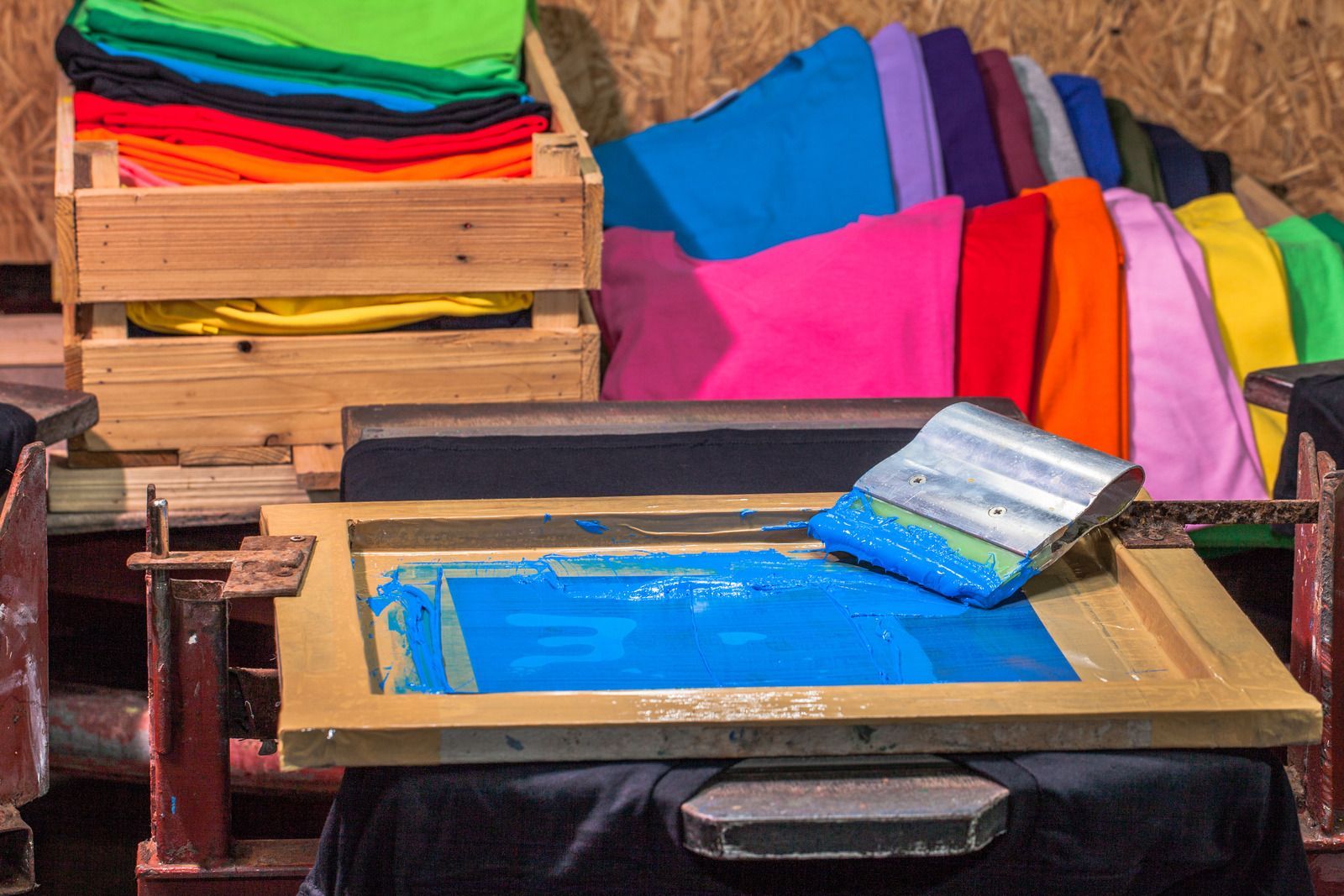
Ink application. With the screens set, ink is applied to the garment by pulling a squeegee across the mesh, forcing ink through the open areas of the stencil and onto the fabric below. This step is repeated for each color layer, with the garment repositioned between passes.
Curing. Once printed, the ink needs to be cured — typically through controlled heat exposure — to bond it permanently to the fabric. Proper curing is critical. Under-cured ink can crack, peel, or wash out prematurely, while properly cured prints can withstand years of regular washing and wear.
Each of these stages requires precision, and small errors at any step can compromise the final print. That's why experienced production teams pay such close attention to screen preparation, ink consistency, and curing temperatures throughout the process.
Why Silk Screening Remains a Go-To Choice for Apparel Branding
Vivid, consistent color. Few printing methods rival silk screening when it comes to bold, saturated color. Because ink is applied in thick, even layers, colors appear rich and consistent across every printed garment, which is especially valuable for brand consistency across large orders.
Exceptional durability. Properly cured silk screen prints resist fading, cracking, and peeling far better than many alternative decoration methods. The ink becomes part of the fabric rather than sitting fragile on the surface, which means garments can go through repeated wash cycles without the design breaking down.
Cost efficiency at scale. Silk screening shines when producing larger quantities. Once screens are created for a design, the actual printing process moves quickly, which dramatically reduces the per-unit cost as order size increases. This makes it an ideal choice for event apparel, team merchandise, or company-wide uniform orders.
Sharp detail and clean lines. With proper screen preparation and registration, silk screening produces crisp, well-defined designs — even for detailed logos or multi-color artwork.
Material versatility. Silk screening works well across a wide range of fabrics, from basic cotton tees to blended performance materials, giving businesses flexibility in the types of garments they can produce.
Specialty finishes.
Beyond standard flat-color prints, silk screening supports specialty ink applications like metallic finishes, puff ink for raised texture, and other unique effects that add visual interest and a distinctive feel to a design.
Common Applications for Custom Silk Screening
Silk screening's versatility makes it suitable for an incredibly wide range of projects.
Event apparel. From community festivals to corporate conferences, silk-screened t-shirts remain a staple for event branding, largely because of how cost-effective they become at higher quantities.
Company uniforms and workwear. Businesses across industries rely on silk screening to produce consistent, durable branded apparel for their teams, whether that's a retail staff shirt or a work crew uniform.
Promotional merchandise. Bold, eye-catching designs make silk-screened apparel a popular choice for giveaways, fundraisers, and marketing campaigns where visual impact matters.
Team and organization apparel. Silk screening's affordability at scale makes it a natural fit for sports teams, clubs, and school organizations producing spirit wear or uniforms in bulk.
Retail and merchandise lines. Many apparel brands rely on silk screening for their core product lines, thanks to its ability to reproduce bold, consistent artwork across large production runs.
Silk Screening vs. Other Decoration Methods
It's worth understanding how silk screening compares to other popular decoration techniques, since the right method often depends on the specific project.
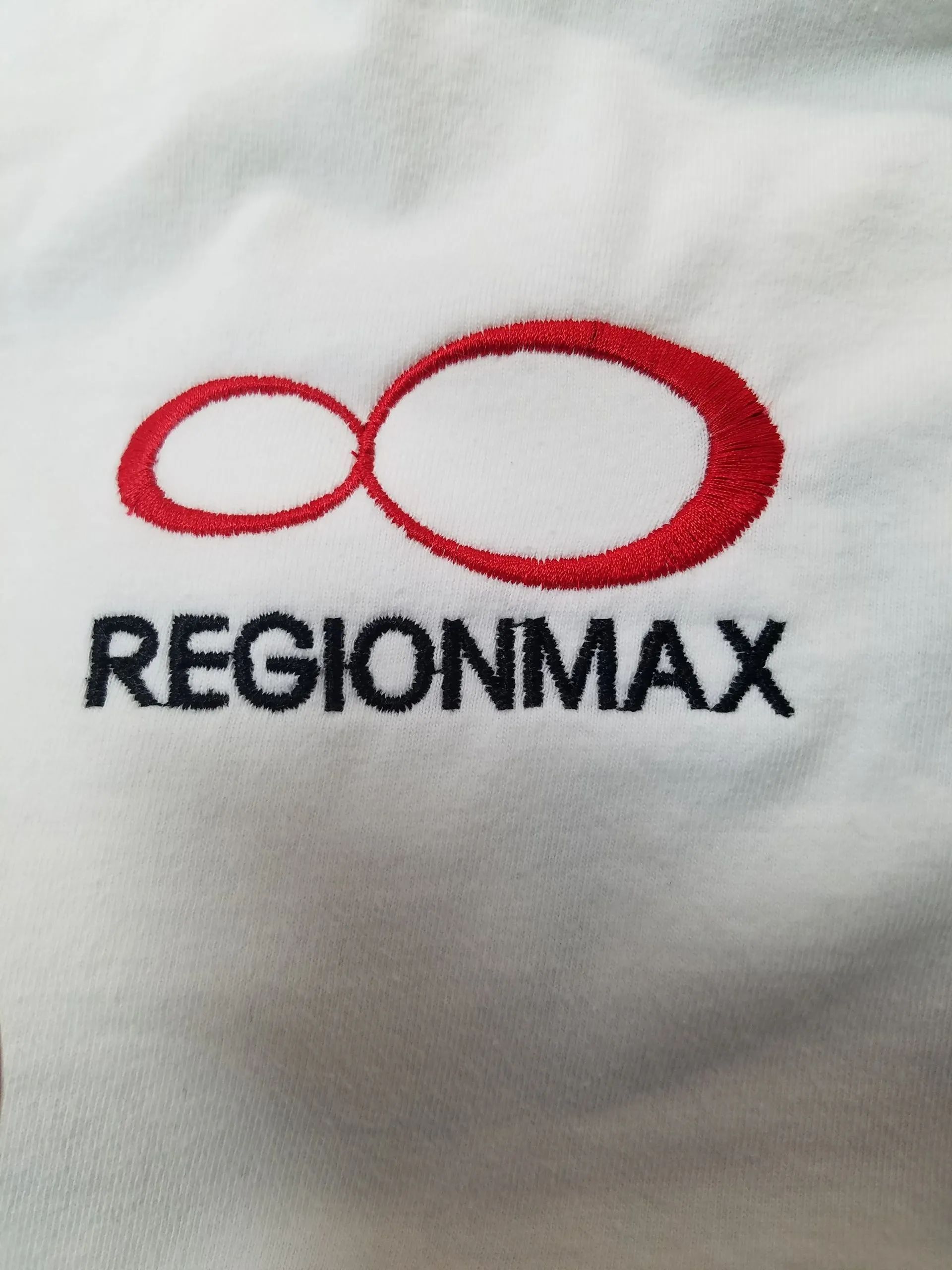
Compared to embroidery, silk screening tends to be more cost-effective for larger, simpler designs, especially on lightweight fabrics like cotton t-shirts where embroidery's texture and weight aren't necessarily desired. Silk screening also allows for more complex, multi-color, photographic-style artwork that would be difficult or impossible to replicate with stitched thread.
Compared to digital or direct-to-garment printing, silk screening generally holds up better over repeated washing, particularly with vibrant or bold colors, and becomes significantly more cost-efficient at higher order quantities. Digital printing methods can offer more flexibility for small-batch or highly detailed, photo-realistic designs, but silk screening remains the stronger choice when durability and bulk pricing are priorities.
Choosing between these methods often comes down to order size, garment type, design complexity, and how the apparel will be used. A knowledgeable production team can help evaluate these factors and recommend the best approach for a specific project.
Tips for a Successful Silk Screening Project
Start with clean, high-resolution artwork. Vector files are ideal for screen printing since they allow for precise color separation and clean stencil creation.
Keep color count in mind. While silk screening supports multi-color designs, each additional color adds a screen and increases setup complexity. Simplifying a design to its essential colors can help control costs, particularly for smaller orders.
Choose the right ink for the job. Standard plastisol inks offer excellent durability and vibrancy, while water-based inks provide a softer feel on the fabric. Specialty inks like metallics or puff finishes can elevate a design but require additional process considerations.
Think about garment and fabric type. Different fabrics absorb and hold ink differently, so it's worth discussing your intended garment type early in the design process to ensure the best possible outcome.
Plan for your order size. Because silk screening's cost efficiency improves with volume, it's often worth planning ahead for future apparel needs so that screen setup costs can be spread across a larger run.
Why Experience Matters in Silk Screening Production
Silk screening might sound straightforward in concept, but achieving consistently sharp, vibrant, and durable results requires real technical expertise. Ink viscosity, mesh count, curing temperature, and registration accuracy all have to be dialed in correctly, and even small miscalculations can lead to prints that fade quickly, crack after a few washes, or simply don't look as sharp as they should.
An experienced production team understands how to adjust these variables based on fabric type, ink choice, and design complexity, ensuring that every garment — whether it's part of a run of twelve or twelve hundred — meets the same standard of quality. This kind of consistency is especially important for businesses and organizations that rely on their apparel to represent their brand accurately across every event, uniform, or promotional giveaway.
Understanding Ink Options and What They Mean for Your Design
Not all screen printing inks behave the same way, and choosing the right one can significantly affect both the look and longevity of a finished garment. Plastisol ink remains the industry standard for most apparel projects, prized for its vibrant color output, ease of printing, and reliable durability across a wide range of fabrics. Because it sits slightly on top of the fabric rather than fully absorbing into it, plastisol ink produces bold, opaque colors even on darker garments.
Water-based inks, by contrast, absorb more directly into the fibers of the fabric, resulting in a softer hand-feel that many people prefer for lightweight, breathable apparel like fashion tees. The trade-off is that water-based inks can sometimes appear slightly less vibrant on dark fabrics unless additional preparation steps are used. Discharge inks offer another option, chemically removing the fabric's original dye in the printed area before depositing new color, which creates an especially soft, almost dyed-in appearance.
Beyond these foundational ink types, specialty finishes like metallics, glitter, and puff inks allow designs to stand out even further. Puff ink, for example, uses a foaming agent that expands during curing, creating a raised, three-dimensional texture that adds tactile interest to a design. These specialty options work best when used selectively, since overusing them can sometimes overwhelm a design or complicate the printing process.
Caring for Silk-Screened Apparel Over Time
Proper garment care plays a meaningful role in how long a silk-screened print maintains its vibrancy and structure. Washing printed garments inside out helps minimize direct friction against the printed surface, reducing the likelihood of cracking or premature wear. Cold water washes are generally gentler on ink than hot water, which can accelerate fading or breakdown of the print over repeated cycles.
When drying, lower heat settings help preserve the ink's bond to the fabric, since excessive heat can occasionally cause certain ink types to soften or become more prone to cracking over time. Ironing directly over a printed design should be avoided, as high heat and pressure can distort or damage the print; if ironing is necessary, doing so from the reverse side of the garment offers a safer alternative.
For businesses and organizations distributing large quantities of silk-screened apparel — whether as uniforms, event shirts, or promotional giveaways — sharing simple care instructions can help ensure that printed designs continue to look sharp well after the initial distribution, extending the useful life of the apparel and reinforcing a polished, professional impression over time.
Bringing Bold Designs to Life With Lasting Quality
Custom silk screening continues to be a dependable way to create apparel that combines vibrant color, clean detail, and lasting performance. From company uniforms and event shirts to team apparel and merchandise, properly applied screen printing can maintain its visual impact through regular wear and washing. Understanding the importance of artwork preparation, precise registration, suitable inks, and proper curing helps ensure every design achieves the intended look while remaining comfortable and durable over time.
For projects in Glendora, California, EmbroiderPrint
brings more than 20
years of experience to the production process, with careful attention to the details that influence print quality. The right combination of garment, ink, color selection, and printing technique allows each project to achieve a balanced finish that looks polished without sacrificing practicality. With thoughtful preparation and consistent production standards, custom silk screening can turn an original design into apparel that remains bold, recognizable, and enjoyable to wear.