
Why Every Stitch Matters: The Complete Guide to Custom Embroidery for Brands and Teams
August 18, 2026
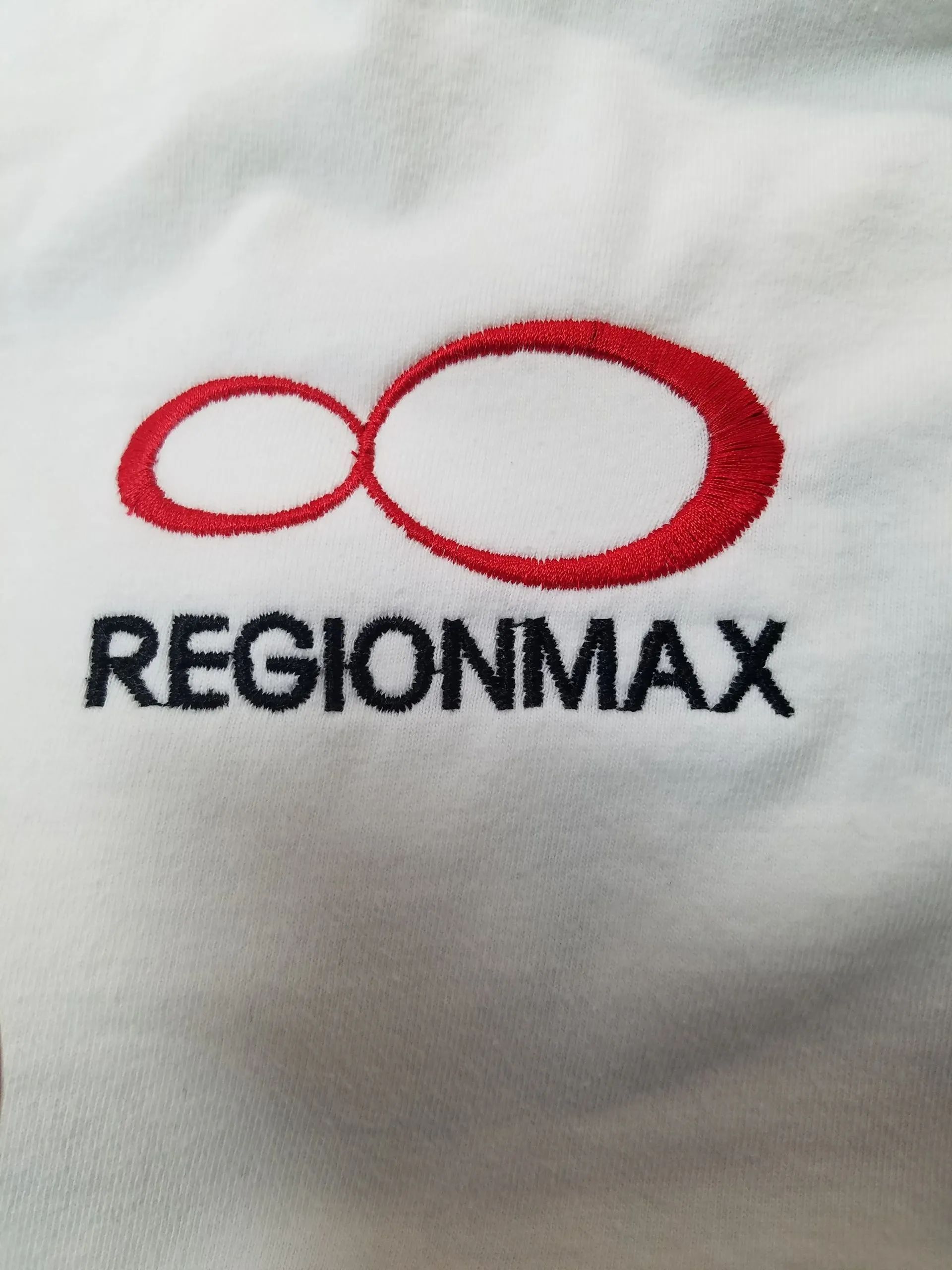
When you think about the apparel that represents your business, your school, or your team, what comes to mind first? For most people, it's the logo. But how that logo is applied to fabric says just as much about your brand as the design itself. A flat, printed graphic tells one story. A raised, textured, precisely stitched emblem tells another entirely — one of craftsmanship, permanence, and attention to detail. That's the power of custom embroidery, and it's why so many organizations continue to choose it as their go-to method for branded apparel.
Embroidery isn't just a decoration technique. It's a process rooted in precision engineering, material science, and design translation. Understanding how it works — and why it remains one of the most trusted methods for branding apparel — can help you make smarter decisions the next time you're outfitting your staff, your students, or your promotional inventory.
The Difference Between Seeing a Logo and Feeling One
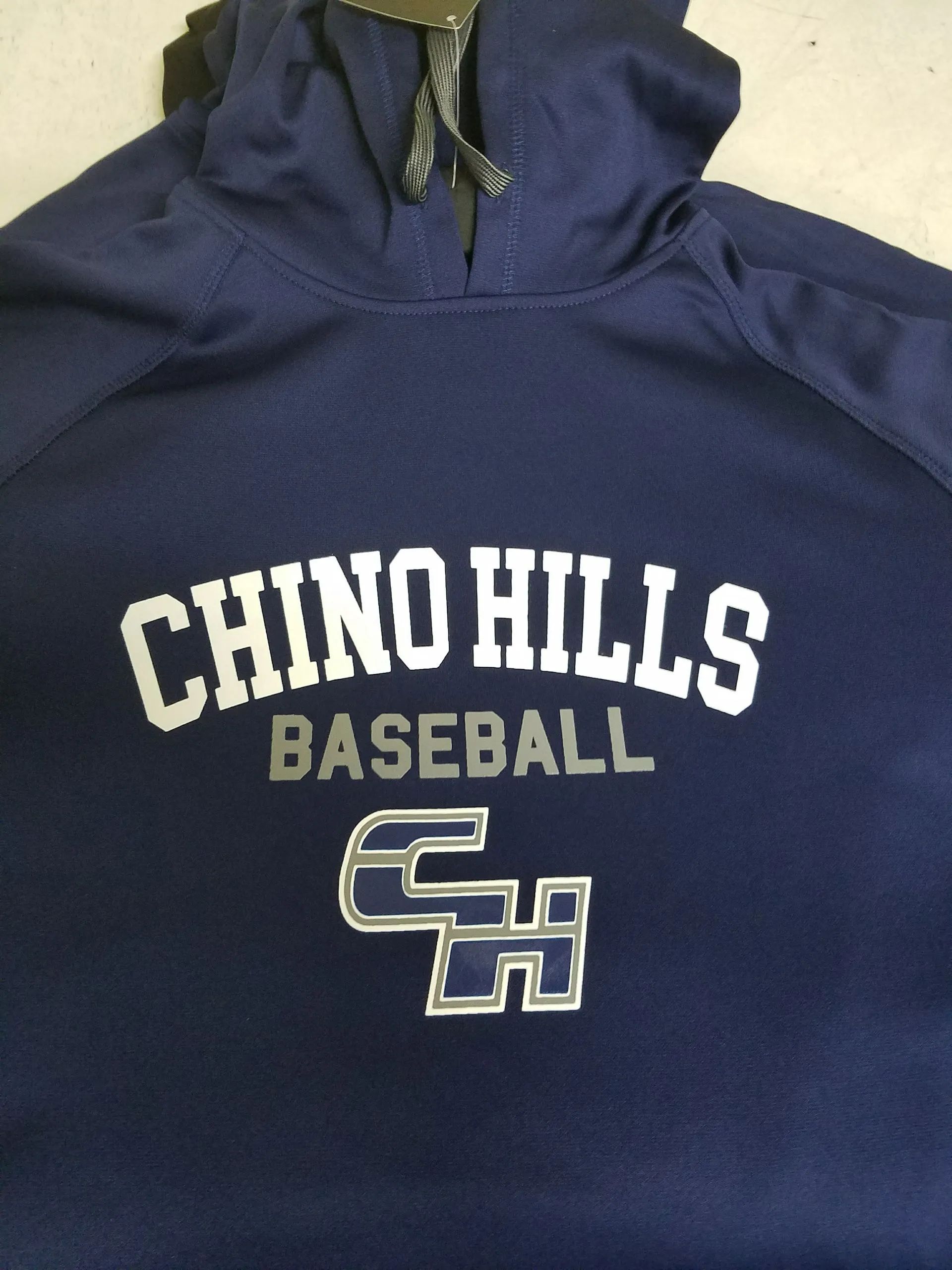
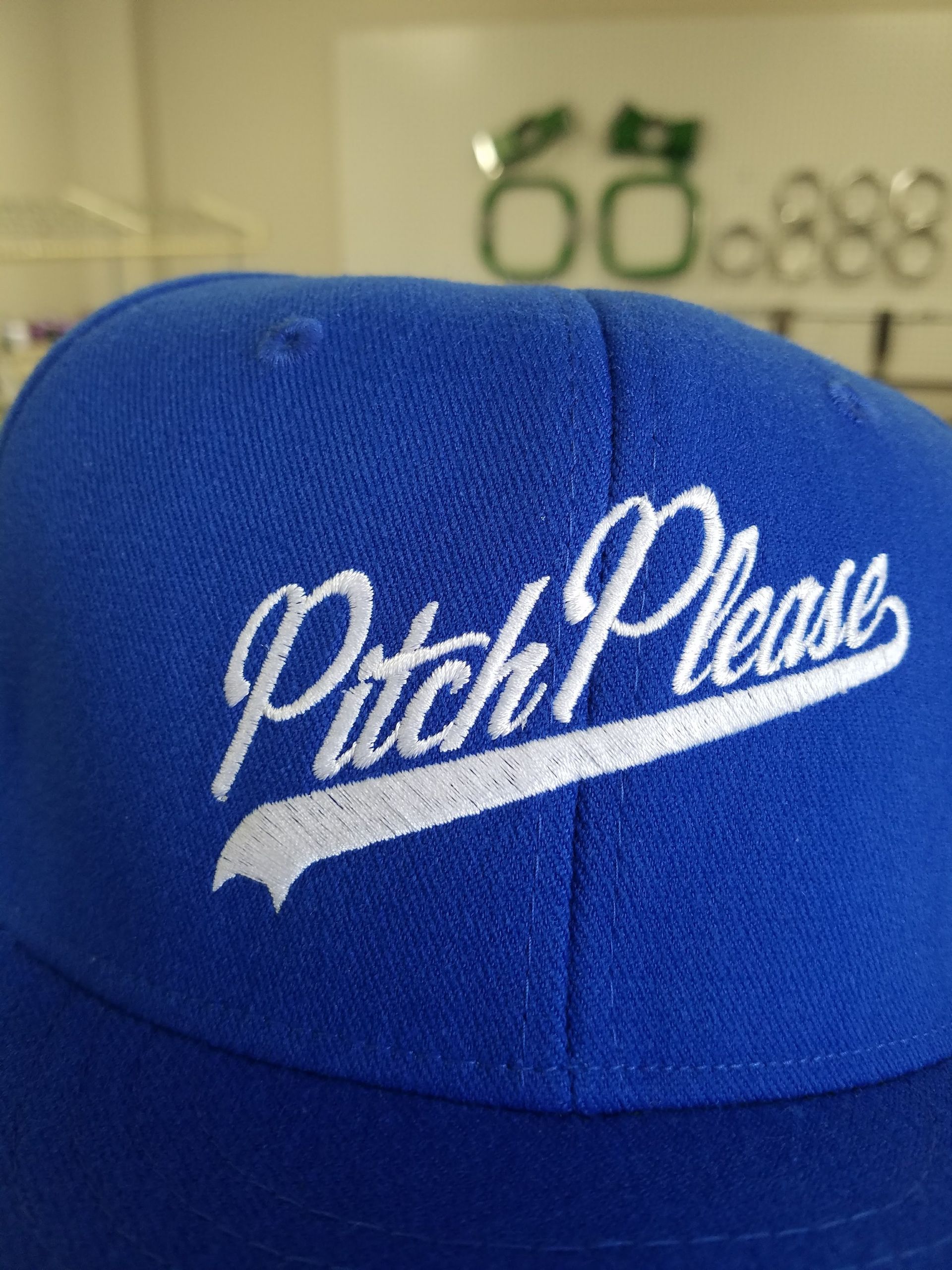
There's a reason embroidered polos, jackets, and caps feel more premium than their printed counterparts. Printing lays ink or vinyl flat on top of fabric. Embroidery, on the other hand, builds a design directly into the garment using thread, needle, and structure. The result has dimension. Light catches the raised stitches differently depending on the angle, giving the design a subtle shimmer and depth that a flat print simply cannot replicate.
This tactile quality changes how people perceive the apparel — and by extension, the brand behind it. A customer running their hand across an embroidered logo on a jacket registers quality almost instinctively. It signals investment, permanence, and professionalism. For businesses trying to build trust and recognition, that perception matters just as much as the visual impact.
How the Embroidery Process Actually Works
Many people assume embroidery is as simple as feeding a shirt into a machine and pressing start. In reality, the process involves several critical stages, each of which affects the final outcome.
Digitizing the artwork
Before a single stitch is sewn, the design has to be converted into a digital stitch file that embroidery machines can read. This isn't a simple file conversion — it's closer to redrawing the artwork using thread paths, stitch angles, and density settings. A digitizer has to think about how thread will behave on fabric, where outlines need reinforcing, and how small text or fine details will hold up once stitched. Poor digitizing leads to muddled logos, thread breaks, or designs that look nothing like the original artwork. Skilled digitizing is often the difference between an embroidered logo that looks sharp and professional versus one that looks amateurish.
Selecting thread type and color matching
Not all threads are created equal. Polyester threads tend to resist fading and hold up well under repeated washing, while rayon threads offer a slightly glossier finish often used for detailed decorative work. Matching thread colors precisely to brand guidelines takes experience, since thread color can appear different depending on lighting, fabric color, and stitch density.
Choosing stitch density and type
Different parts of a design call for different stitch types — satin stitches for clean borders and text, fill stitches for larger areas of color, and specialty stitches for texture or shading. Stitch density has to be calibrated carefully. Too dense, and the fabric can pucker or the garment can feel stiff. Too sparse, and the backing fabric may show through, weakening the design's visual impact.
Hooping and stabilizing the garment
Before stitching begins, the fabric needs to be hooped and stabilized to prevent shifting during the embroidery process. This step is especially important for stretchy fabrics like performance polos or fleece, which can distort easily if not properly supported.
Running the production
Once everything is set, the embroidery machine executes thousands of individual stitches per minute, following the digitized path exactly. For bulk orders, multiple machines or multi-head setups allow for consistent replication across dozens or hundreds of garments simultaneously.
Each of these steps requires technical knowledge and experience. Skipping or rushing any one of them can compromise the final product, which is why working with an experienced embroidery provider matters just as much as the equipment being used.
What Types of Apparel Work Best With Embroidery
Embroidery isn't a one-size-fits-all decoration method. Certain fabrics and garment types lend themselves particularly well to stitched designs.
Polo shirts and button-downs are among the most common embroidery applications, especially for corporate uniforms. Their structured fabric holds stitching cleanly and presents a polished, professional look.
Hats and headwear are a natural fit for embroidery. Caps, beanies, and structured headwear provide a firm surface that supports detailed stitching, making them popular for both branding and promotional giveaways.
Jackets and outerwear benefit from embroidery's durability. Thicker fabrics can support denser stitching, and because outerwear is often exposed to more environmental wear, the long-lasting nature of embroidery makes it a smart choice over printed alternatives that might crack or peel over time.
Bags, totes, and accessories offer another versatile embroidery surface, particularly for promotional products and giveaways where durability and brand visibility both matter.
Team and school uniforms rely heavily on embroidery for names, numbers, and mascots because it holds up under the frequent washing and physical activity that athletic apparel endures.
Lighter, more delicate fabrics can also be embroidered, but they typically require additional stabilization and adjusted stitch settings to avoid puckering or distortion. An experienced provider will know how to adapt the process based on fabric weight and stretch.
Why Businesses and Organizations Choose Embroidery Over Other Methods
Durability that justifies the investment. Embroidered designs are remarkably resistant to fading, cracking, and peeling. Because the design is stitched into the fabric rather than layered on top of it, it holds up to years of washing and daily wear far better than most printed alternatives. For uniforms and workwear that get washed weekly, this durability translates directly into cost savings over time — fewer replacements, less reordering, and apparel that continues to look sharp long after it left the production floor.
A more premium, professional appearance. As mentioned earlier, the textured, dimensional quality of embroidery immediately elevates how apparel is perceived. For client-facing roles, trade shows, and public events, that polished appearance reinforces credibility.
Consistency across large orders. Once a design is digitized, it can be replicated with remarkable consistency across dozens, hundreds, or even thousands of garments. This consistency is critical for brand identity — every shirt, hat, and jacket should reflect the same logo placement, sizing, and color accuracy.
Versatility across materials. From heavyweight canvas bags to cotton polos to technical performance fabrics, embroidery adapts to a wide range of materials, giving businesses flexibility in how they outfit their teams or build out promotional product lines.
Long-term cost efficiency.
While the upfront digitizing process requires some investment, that cost is a one-time expense. Once the design file exists, it can be reused indefinitely across future orders, making embroidery increasingly cost-effective the more it's used.
Common Applications for Custom Embroidery
Custom embroidery serves an incredibly wide range of use cases, and understanding these applications can help you decide how to use it strategically.
Corporate uniforms. Consistent embroidered logos on staff apparel reinforce brand identity and create a cohesive, professional appearance across an entire team, whether that's a retail staff, a service company, or an office environment.
Promotional merchandise. Embroidered bags, towels, and apparel make excellent giveaways at trade shows, community events, or client appreciation initiatives. The durability ensures the item — and your branding — stays in circulation for a long time.
School and team apparel. From athletic uniforms to spirit wear, embroidery provides the durability needed for apparel that will be worn, washed, and worn again throughout a season or school year.
Outerwear and workwear. Jackets, vests, and heavier garments benefit from embroidery's resilience, especially in industries where apparel is exposed to the elements or heavy daily use.
Headwear collections. Branded caps and beanies remain one of the most popular embroidery applications for both business branding and promotional distribution.
Tips for Getting the Best Results From Your Embroidery Project
If you're preparing to place a custom embroidery order, a few considerations can help ensure the final product meets your expectations.
Start with high-resolution artwork. The cleaner and higher quality your original logo file, the easier it is to digitize accurately. Vector files are ideal, but even high-resolution raster images can typically be worked with.
Simplify where necessary. Extremely intricate designs with fine gradients or tiny text may need slight adjustments to translate well into stitched form. A good digitizer will flag these issues early and suggest solutions that preserve the design's integrity.
Consider placement carefully. Chest logos, sleeve placements, and full-back designs all create different visual impacts. Think about how the garment will be worn and viewed in real-world settings.
Think about fabric compatibility. If you're ordering across multiple garment types — polos, jackets, and hats, for example — keep in mind that stitch settings may need slight adjustments for each fabric type to achieve consistent results.
Plan for order size. Bulk orders benefit from economies of scale once the digitizing work is complete, so it often makes sense to plan ahead for future apparel needs rather than placing frequent small orders.
The Value of Experience in Embroidery Production
Because embroidery involves so many technical variables — digitizing, thread selection, stitch density, fabric behavior — the experience level of your embroidery provider has a direct impact on your results. A provider with decades of hands-on production experience will know how to anticipate issues before they happen: how a particular thread will behave on a stretchy performance fabric, how dense a stitch can go before a lightweight garment starts to pucker, or how to adjust a design so small text remains legible once stitched.
This is where working with a dedicated embroidery specialist pays off. Rather than treating each order as a generic production run, an experienced team approaches every project individually, accounting for the specific fabric, design complexity, and end use of the apparel. The result is embroidery that doesn't just look good on day one, but continues to represent your brand accurately wash after wash, wear after wear.
Caring for Embroidered Apparel to Maximize Its Lifespan
Even the best embroidery can be undermined by improper care, so it's worth understanding a few simple habits that help stitched designs last as long as possible. Washing embroidered garments inside out helps protect the stitching from friction against other fabrics in the wash, reducing the chance of loose threads or snagging. Cold water washes are generally gentler on both thread color and fabric integrity compared to hot water cycles, which can cause colors to fade more quickly over time.
When it comes to drying, air drying or low-heat tumble drying helps preserve stitch structure, since high heat can sometimes cause thread to shrink slightly differently than the surrounding fabric, leading to minor puckering around the design. Ironing directly over an embroidered area should generally be avoided, since direct heat and pressure can flatten the raised texture that gives embroidery its signature look. If ironing is necessary, placing a cloth over the embroidered section or ironing from the reverse side helps protect the stitching.
For organizations managing uniforms or team apparel at scale, sharing these basic care guidelines with staff or members can meaningfully extend the life of embroidered inventory, reducing how often garments need to be replaced and keeping branding looking sharp for years rather than months.
Planning Ahead for Seasonal and Bulk Embroidery Needs
Many businesses find it helpful to think about embroidery needs on a broader timeline rather than ordering reactively. Seasonal apparel refreshes, new employee onboarding, trade show season, or annual team uniform updates are all predictable events that benefit from advance planning. Because digitized designs can be reused indefinitely once created, businesses that plan ahead can take advantage of that one-time setup cost across multiple orders throughout the year.
This is particularly valuable for organizations with fluctuating staffing levels, growing teams, or multiple locations, where small, frequent reorders are common. Establishing a relationship with an embroidery provider who maintains your digitized files on record means future reorders can move quickly, without needing to redo the digitizing process from scratch each time. It also helps maintain consistency, ensuring that a new batch of shirts ordered a year later still matches the placement, sizing, and color accuracy of the original order.
Lasting Impressions, One Stitch at a Time
Custom embroidery brings together craftsmanship, durability, and thoughtful design in a way that helps branded apparel feel purposeful rather than ordinary. From company uniforms and promotional pieces to school and team apparel, carefully stitched logos create a polished appearance while standing up to regular wear. The right combination of thread, fabric, stitch density, and placement ensures every garment maintains a consistent look and professional finish.
With more than 20
years of experience, EmbroiderPrint
in Glendora, California, understands that successful embroidery depends on much more than machinery. Each project requires attention to the design, garment, and intended use so the finished stitching remains attractive and durable over time. When every detail is handled with care, each embroidered piece becomes a lasting part of the brand it represents.